
Notes from the studio.
A record of process, material, and the time spent making—written alongside the work of our Leather DIY Kits.
These are small observations from the atelier: the quiet decisions before a stitch is pulled tight, the feel of leather in the hand, and the moments that shape a form long before it becomes an object.
FEATURED STORY
A story from our quiet days.
-

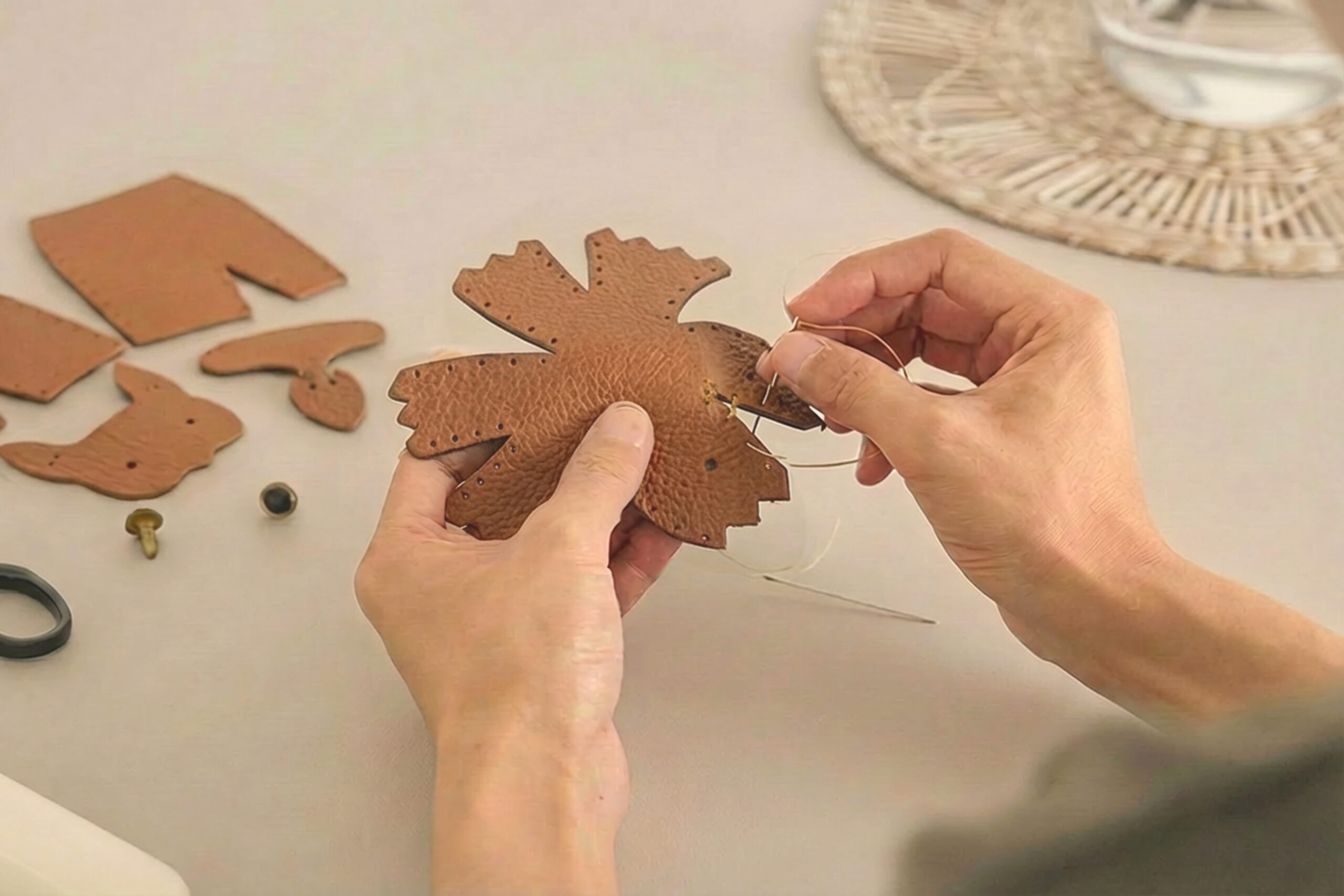
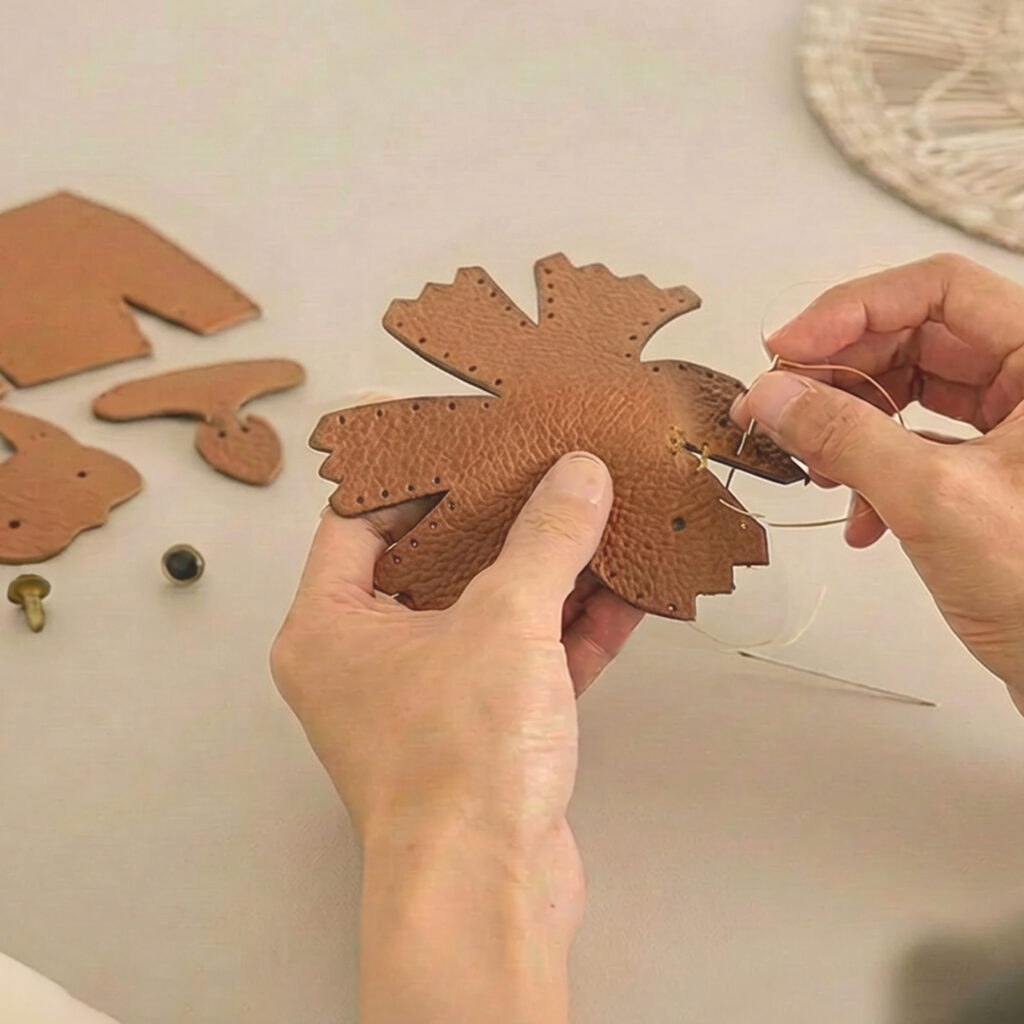
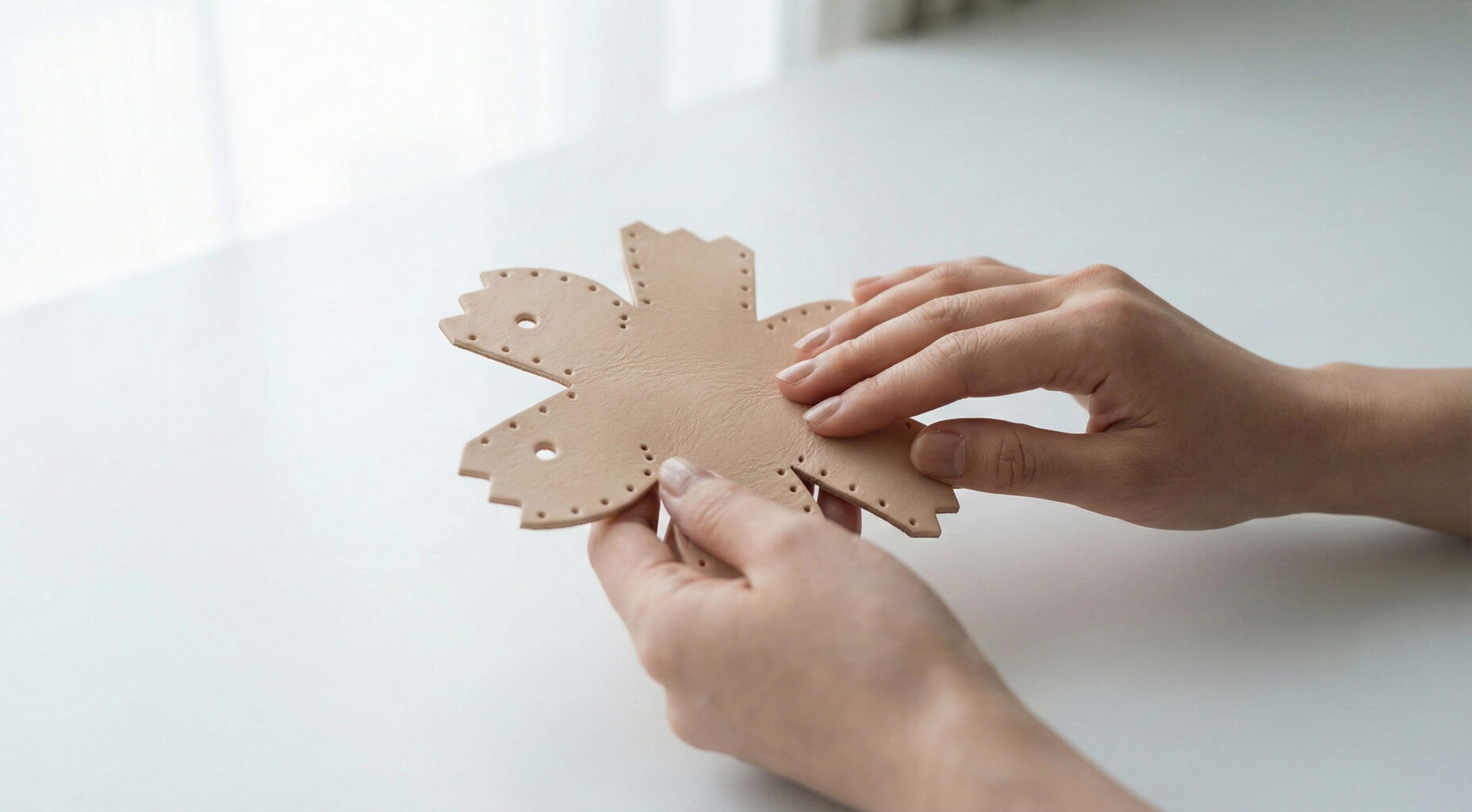
The moment of holding
The leather rests between both hands. It is light, yet it holds a distinct presence. The warmth of the palms slowly transfers to the material, softening its … -
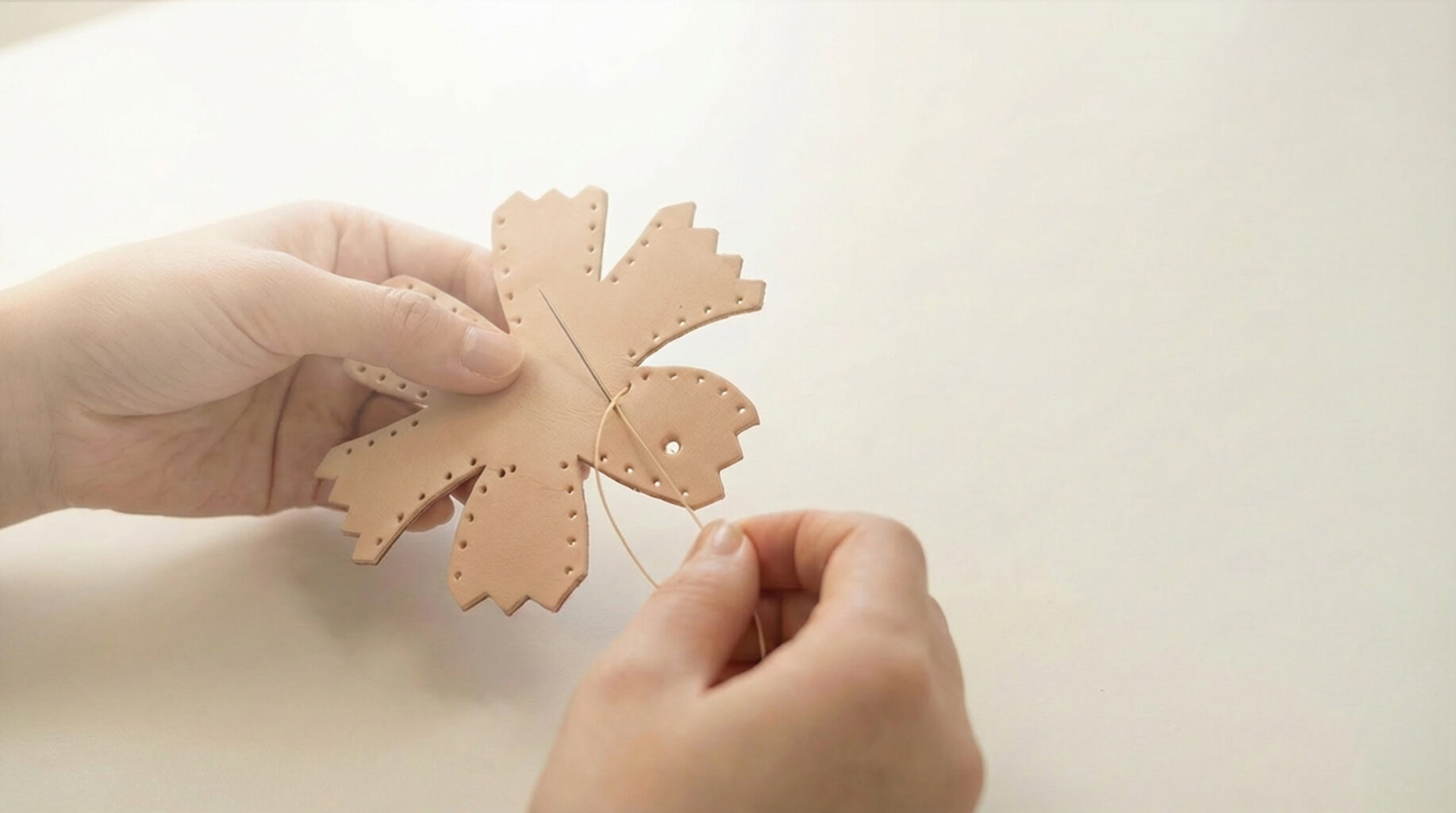
The first thread
The silence is broken here. Not by sound, but by a decision.The needle finds the opening. There is a slight resistance—a brief moment where the leather holds… -
The form stands.
The leather has lifted from the surface of the table. It no longer lies down; it rises, defying the flat horizon it once knew.The thread is pulled tight. It … -
The quiet surface
The morning light filters through the atelier window.It catches the dust motes drifting in the air, settling slowly onto the workbench.Outside, the Takase Ri…

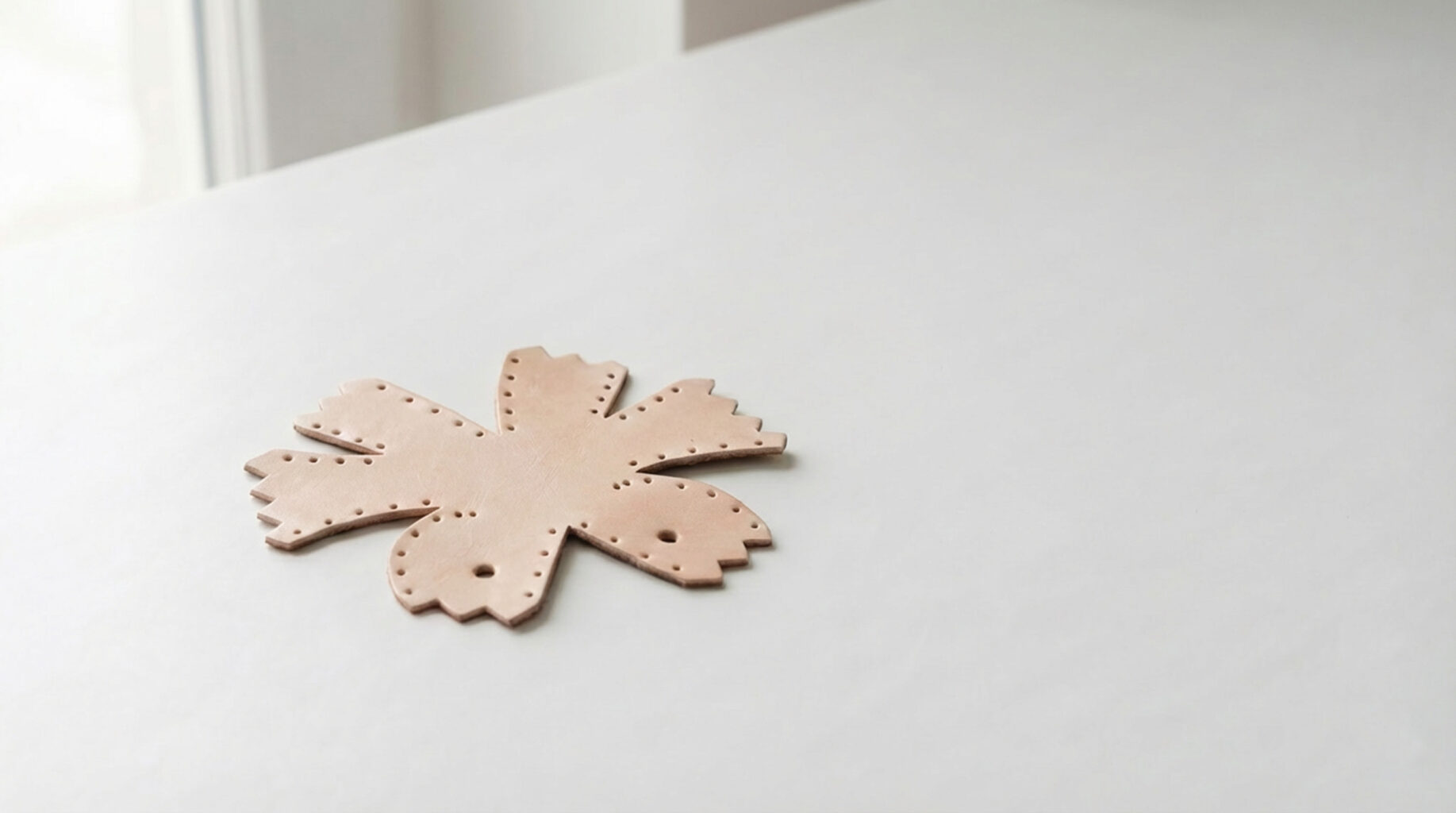
The quiet surface
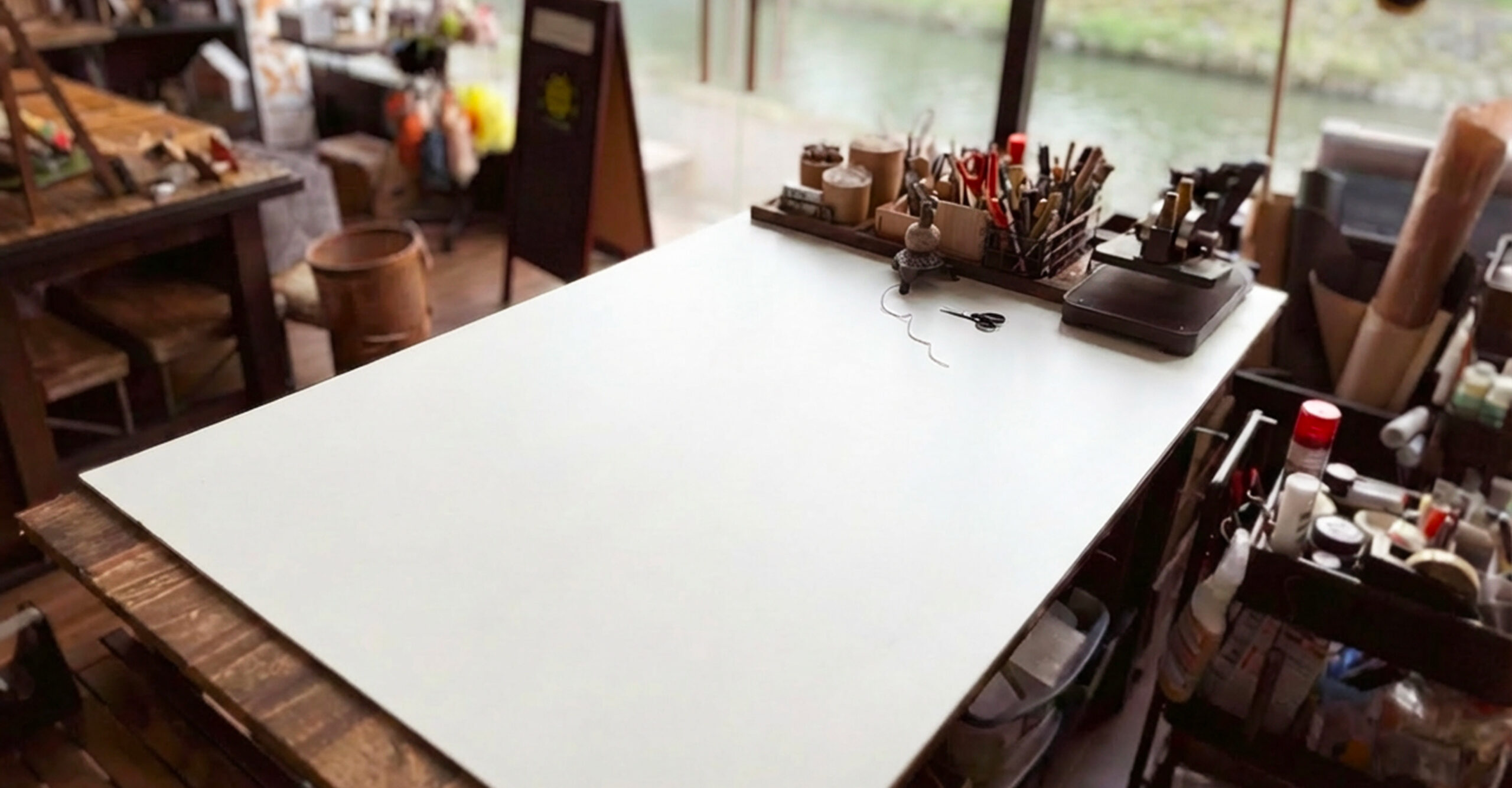
The morning begins with a white rectangle. It sits in the center of the room, collecting the pale light from the window. Nothing is placed on it yet. No leather, no thread, no instruction.
It is a deliberate emptiness.
In a world that demands to be filled—with noise, with tasks, with speed—this surface remains blank. It waits. There is a specific weight to this silence. It is not the absence of work, but the preparation for it. Before the hands move, the eyes rest here. We respect the pause before the first decision is made.
— The distance —
We often think about the act of making—the stitch, the pull, the form taking shape. But there is another time that fascinates us: the time after the hands let go.
Once a kit leaves this table, it crosses a distance we cannot follow. It travels in a box, in the dark, until it reaches a new room, a new desk, a new shelf. We will never know where it settles.
It exists there, separate from us. It holds a presence that does not ask to be looked at. It simply stays. This anonymity feels right. The object is no longer ours; it has become a silent resident of someone else’s time.
— The current —
Outside the glass, the water moves. The river flows constantly, shifting with the rain and the light, never pausing for a second.
Inside, the air slows. We work next to this flow, separated only by a pane of glass. The contrast is necessary. The movement outside reminds us that time is passing. The stillness inside allows us to hold a small piece of that time, just for a moment, and give it form.
We do not try to stop the river. We simply sit by its side, and begin.
— After the hands have finished their work —
Two Speeds of Time: The Natural Archive
A physical record of sunlight, touch, and the quiet accumulation of life.
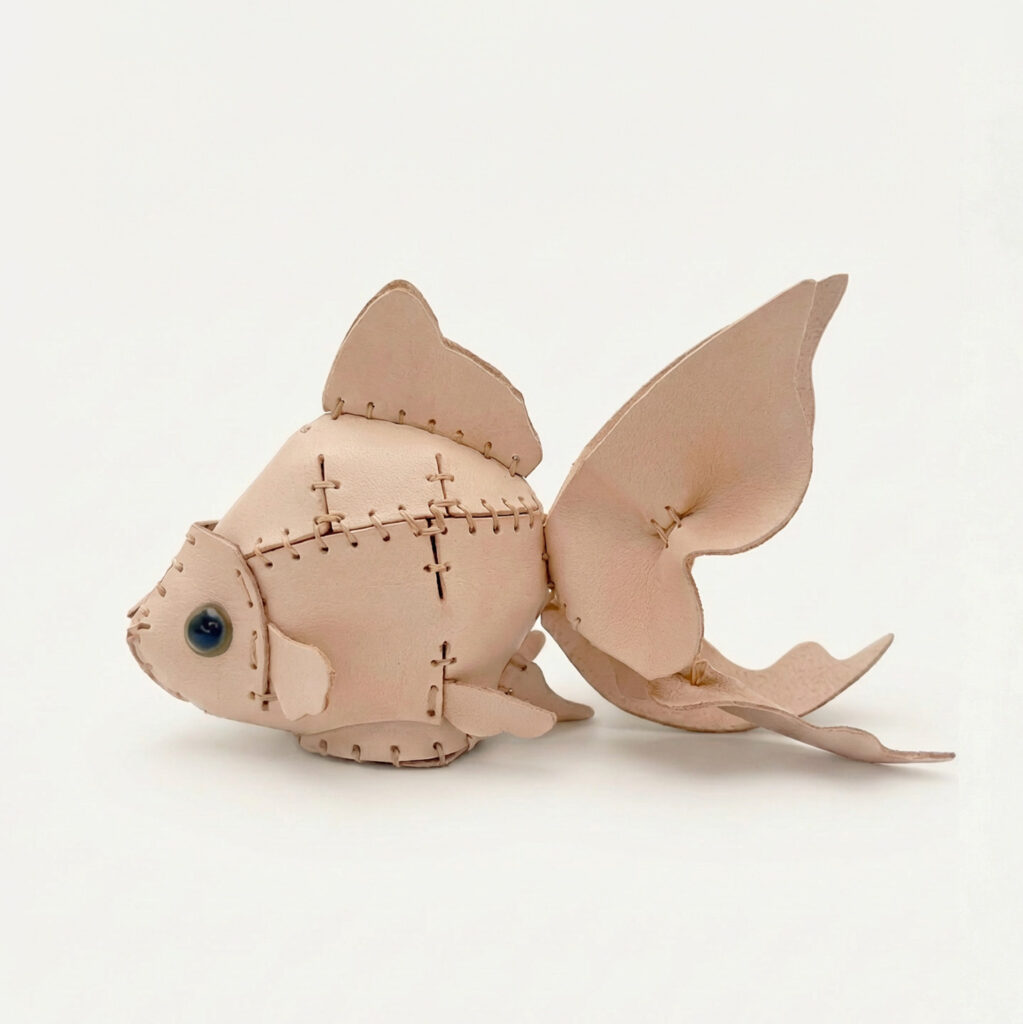
Day 0 [The Potential of Silence]
The Beginning
Pure and untouched. In its initial state, our "Natural" vegetable-tanned leather is a blank canvas. This pale beige tone represents a moment of absolute potential—a quiet object waiting for its first interaction with the world.

At this stage, the leather has no story. It is simply a masterpiece of precision and structure, holding its breath before it begins its journey as a companion in your daily life.
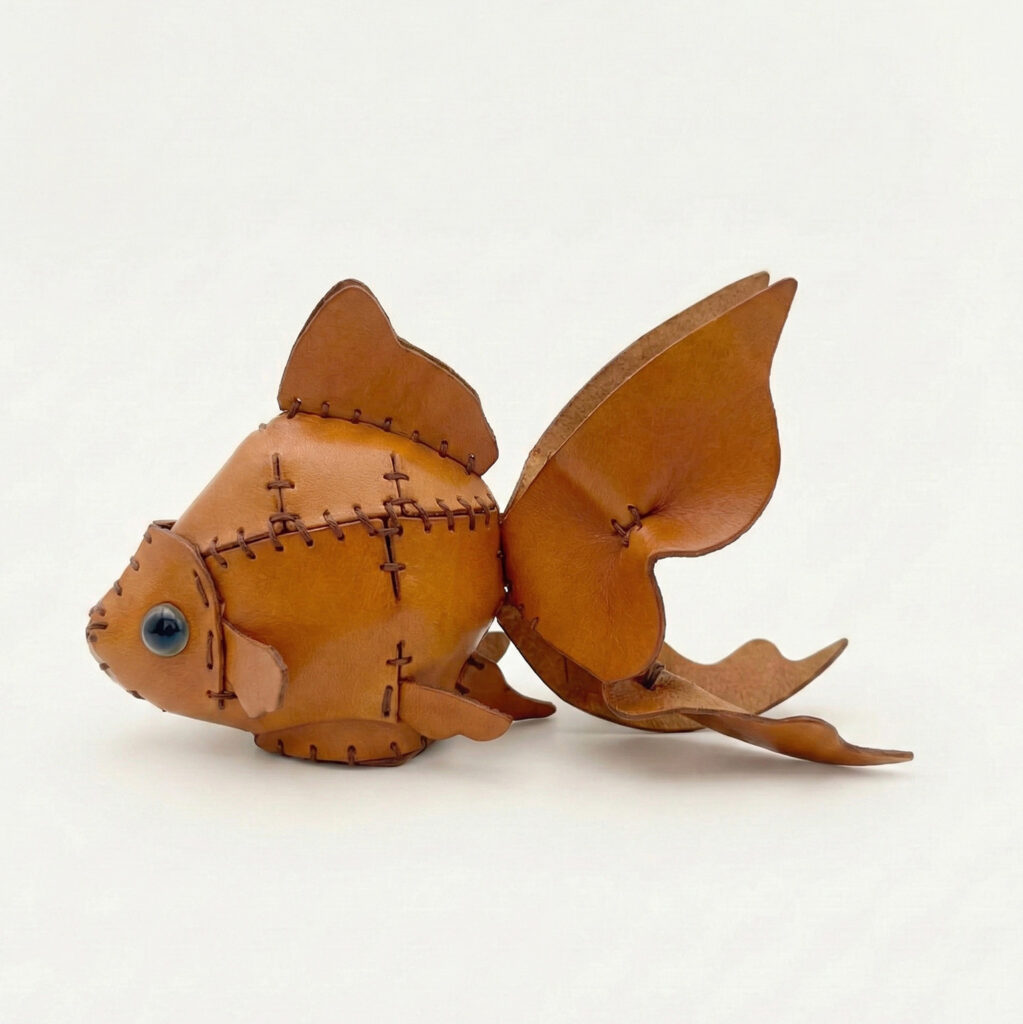
Year 3 [The Weight of Memory]
The Archive
Resilient and deep. After years of presence, the same object has transformed into a rich, translucent amber. This is not a change in color; it is a physical storage of light, touch, and the unique rhythm of its environment.

Through exposure to sunlight and the natural oils from human hands, the leather has recorded a history that cannot be replicated. It is no longer just a craft object—it is a tangible archive of three years of lived experience.
Closing Thought(Conclusion)
At Kyoto Makotoya, we don't just design products; we design the way they age. Whether you choose the "Colors" line to freeze time or the "Natural" line to record it, you are choosing how your story will be told.