
Most things we make stay with us
.
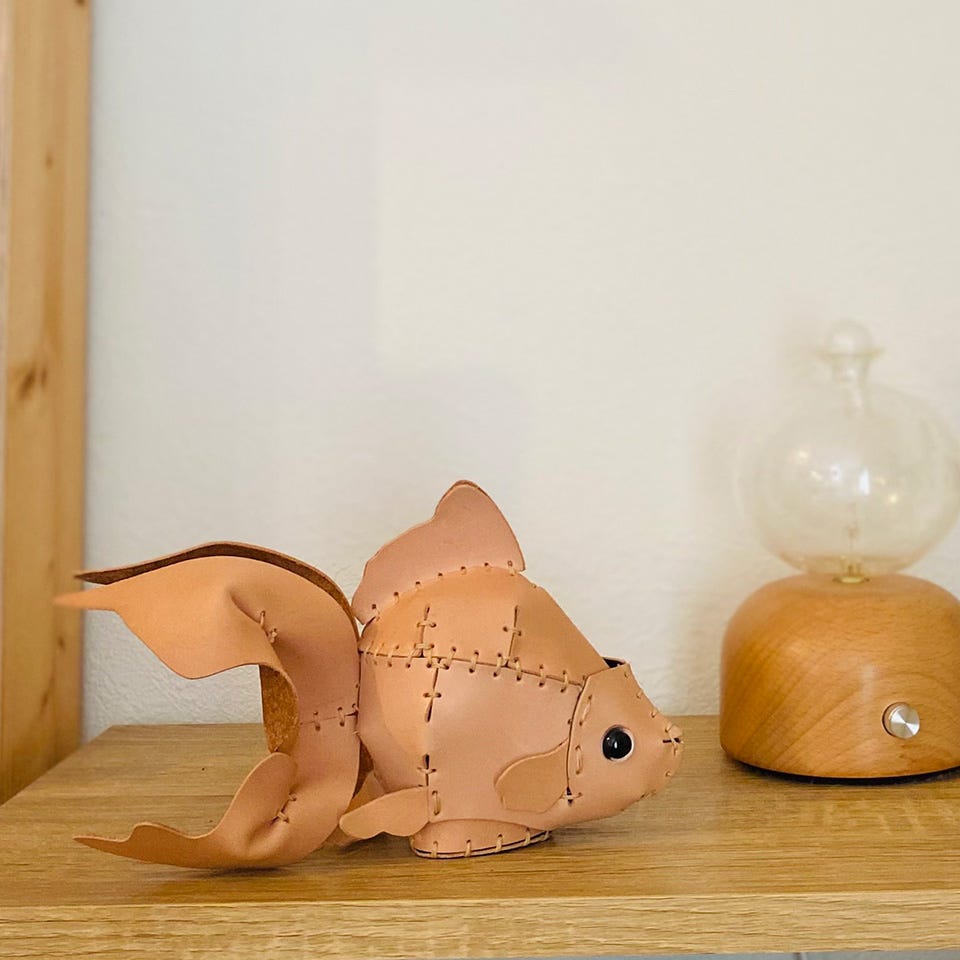
We place them on a shelf. We keep them because we made them. Sometimes we enter them into competitions. Sometimes they disappear into storage. However they end up, they usually remain part of the maker’s own story.
I wanted these kits to leave that circle.
Inside every kit is a single sheet of paper.
One side explains how to assemble the animal. The other explains why this animal has travelled through people’s lives for centuries.
Before the first stitch, you learn its stories.
A ladybird carries luck in different ways depending on where you live. In France, it is said to fly toward what you are searching for. In parts of America, its spots are thought to foretell good fortune. In China, it has long been associated with love and marriage.
Only then does the real instruction appear.
Who is this for?
Sometimes the answer changes.
Someone opens the box intending to make a gift. Then they read. Perhaps this is the luck they need themselves.
The folklore is not decoration. It gives the object somewhere to belong — not in the world of craft, but in the world of people.
Once you know who you are making something for, every stitch changes.
The leather is the same. The thread is the same. The movements are the same. But something in the work now knows where it is going.
There is a historical tradition in Japan called sennin-bari. Many people would each sew a single stitch into one cloth while wishing for someone’s safe return. The stitches were different. The wishes were different. But each stitch carried a person.
I don’t believe those feelings disappeared with that tradition. I think they simply lost a place to settle.
Perhaps making something by hand can still become that place. Not because the object is sacred. But because our ordinary hopes deserve a shape.
A finished leather animal may sit quietly in someone’s home. Not as proof of patience. Not as proof of skill. But as the place where someone’s quiet wish finally came to rest.
Muneshige Tanigawa / Kyoto Makotoya
作ることで宿るもの
人が作ったものの多くは、自分のもとに残る。
棚に飾られる。作った記念として置かれる。コンペに出されることもある。やがて収納されることもある。どこへ行くとしても、その物語は、たいてい作った人の中で閉じている。
このキットは、その輪の外へ出したかった。
箱の中には、一枚の紙が入っている。
片面は組み立て方。もう片面には、これから作る動物が、長いあいだ人々の暮らしの中でどんな意味を持ってきたのかが書かれている。
最初の一針の前に、その物語を知る。
てんとう虫は、国によって違う幸運を運ぶ。フランスでは、飛び立った先に探しものがあるという。アメリカの一部では、背中の模様が幸運を表すという。中国では、愛と結婚の象徴とされてきた。
そして、そのあとに現れる問いは一つだけだ。
これは、誰のために作るのだろう。
その答えは、ときどき変わる。
誰かに贈るつもりだった。でも読み終えたあと、「今、必要なのは自分かもしれない。」そう思う人もいる。
言い伝えは飾りではない。物の居場所を与えるものだ——クラフトという世界ではなく、人と人との間に。
誰のために作るかが決まると、一針一針は同じでも、そこに流れる時間は変わる。
革は同じ。糸も同じ。縫い方も同じ。でも、思いだけが行き先を持つ。
日本には、千人針という歴史がある。一人が一針ずつ縫いながら、誰かの無事を願った布だ。縫う人は違う。願いも違う。でも、どの一針にも、誰か一人がいた。
あの気持ちは、あの時代だけのものではないと思う。ただ、置いておく場所を失っただけなのだと思う。
手を動かして何かを作る時間は、その置き場所になれるかもしれない。特別な儀式だからではない。人が誰かを思うという、ありふれた願いにも、形があっていいと思うからだ。
完成した革の動物は、静かに部屋に置かれる。技術の証明ではなく。根気の証明でもなく。誰かを思いながら過ごした時間が、ようやく落ち着く場所として。
Muneshige Tanigawa / Kyoto Makotoya